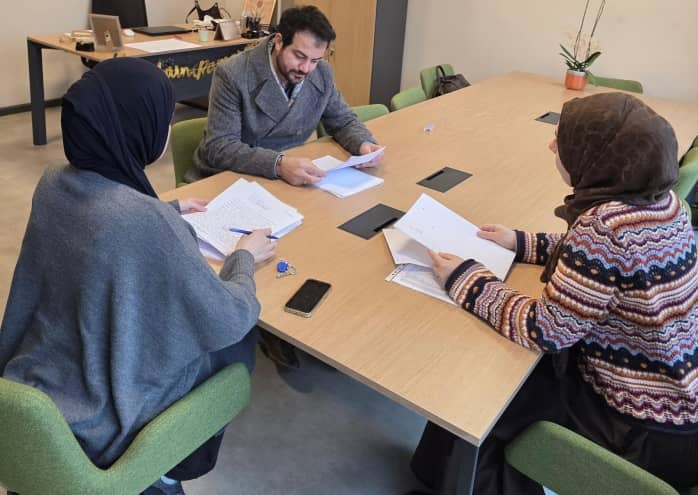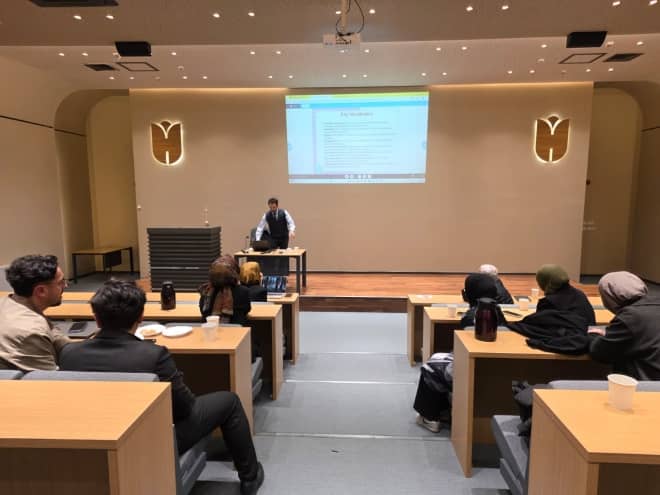
“Artificial Intelligence Use Principles and Implementation Framework” Study Conducted in the Department of Educational Sciences

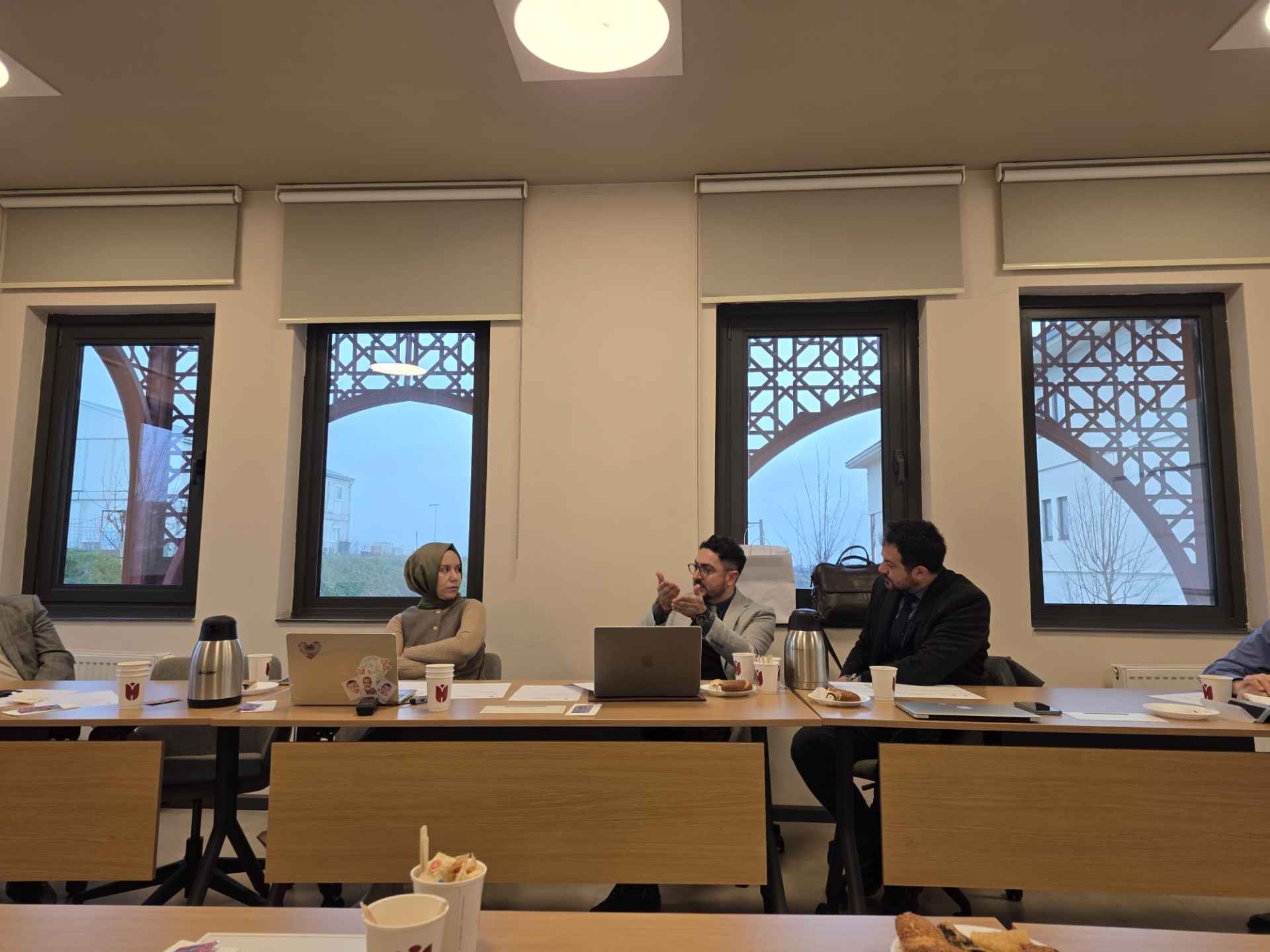
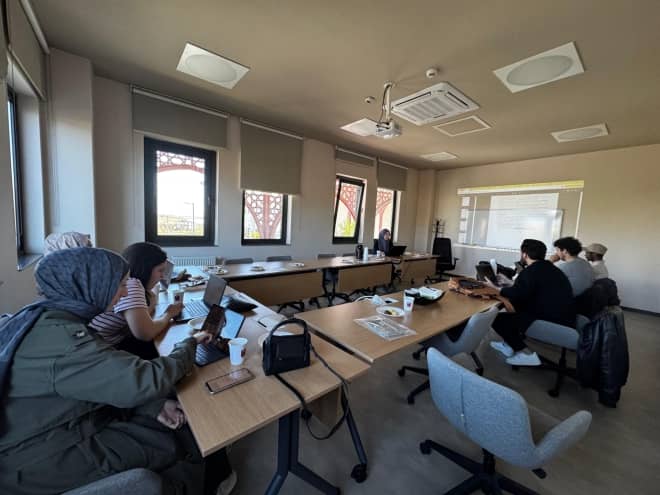
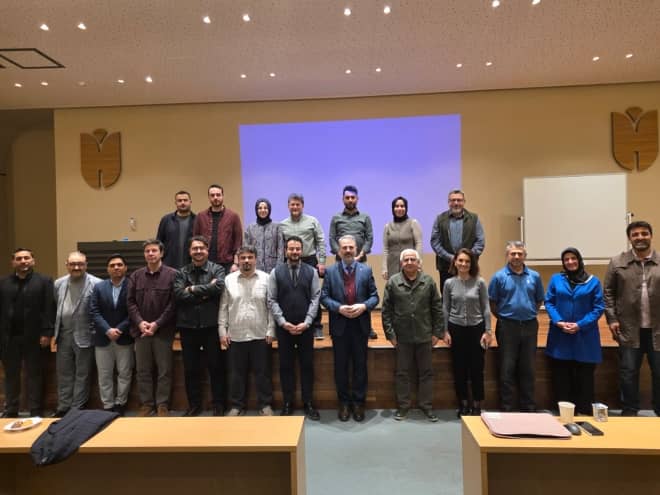
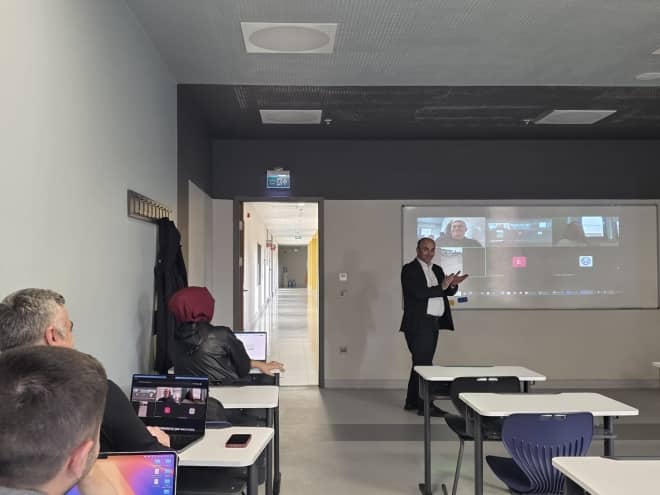
Under the leadership of the Coordination of Innovative Learning and Teaching- Artificial Intelligence, a comprehensive consultation meeting on the “Artificial Intelligence Use Principles and Implementation Framework” was held with the participation of all faculty members of the University’s Department of Educational Sciences.
During the meeting, the ethical, academic, and pedagogical dimensions of artificial intelligence technologies in higher education were examined from multiple perspectives. Within this framework, the primary objective was to determine the fundamental principles that will guide the use of artificial intelligence at the departmental level.
Throughout the consultation process, four main themes emerged. First, within the scope of Artificial Intelligence Use Principles, key issues such as academic integrity, ethical responsibility, data security, and pedagogical appropriateness were discussed. This was followed by discussions under the theme of The Use of Artificial Intelligence in Teaching and Learning Processes, focusing on how artificial intelligence can be utilized, and within what boundaries, in course design, instructional practices, material development, and active learning activities.
Another important agenda item of the meeting was the Framework for Student Use of Artificial Intelligence. In this context, participants exchanged views on expectations regarding students’ responsible use of artificial intelligence, the role of AI in academic production, and clearly defined boundaries for its use. Finally, the Use of Artificial Intelligence in Assessment and Evaluation was addressed, with discussions centering on the supportive role of AI, its opportunities, and its limitations in assessment and evaluation processes.
Through this collaborative initiative, the Department of Educational Sciences aims to establish an institutional framework for the informed, ethical, and pedagogically grounded use of artificial intelligence technologies. The outcomes of this work are expected to make a significant contribution to the University’s efforts to promote innovative and responsible AI use in teaching and learning processes.
Photos
Related Content
Contribution of Our Coordination Unit to AI-Supported OBS User Guide Videos
AI-Supported Academic Research Training for Students Successfully Held
Strengthening Academia-Industry Collaboration at Ibn Haldun University: 7+1 and 6+2 Models Discussed
“AI Book Launch and Consultation Event” Held in Collaboration with CILT-AI and IPAM
Training for Academics by CILT-AI: Effective Classroom Management and Motivation Strategies Addressed
A Pioneering Step in Educational Technologies: The HyFlex Classroom Experience Coordinated by CILT-AI

We Are Pleased to Share the 2025–2026 Academic Year Updated Training Schedule Prepared for Our Academics and Students
Our Trainings Continue with Individual Consultation Sessions