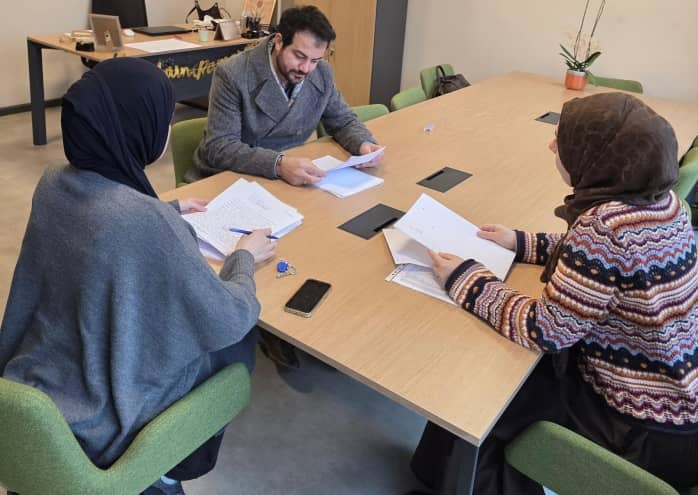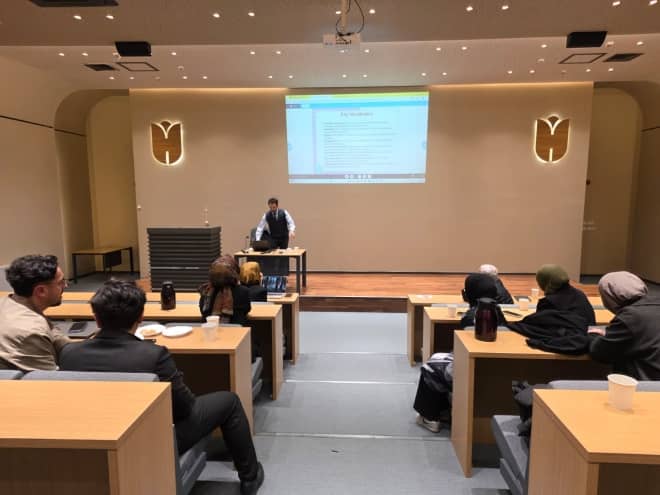
“AI-Supported Enrichment of Educational Content and Active Learning Techniques in Higher Education for Academics” Training Conducted

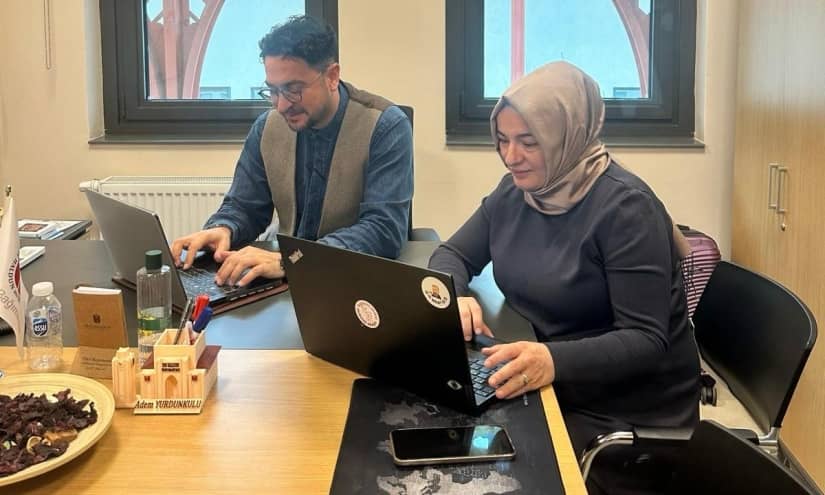
The training program titled “AI-Supported Enrichment of Educational Content and Active Learning Techniques in Higher Education for Academics,” organized to enhance the digital pedagogical competencies of our academic staff, was delivered by Assistant Professor Adem Yurdunkulu, Vice Coordinator of CILT-AI.
Within the scope of the training, the integration of contemporary artificial intelligence tools into course design, content development, academic research processes, and active learning practices in higher education was addressed through practical examples. The program particularly focused on the following applications:
Rayyan AI: Utilizing AI-supported screening in systematic literature review processes, filtering articles based on key concepts, and organizing research data; practical applications in graduate-level research methodology courses.
Napkin AI: Transforming text-based content into visual schemas, concept maps, and instructional materials; supporting conceptual structuring and brainstorming activities within active learning environments.
Web of Science data retrieval practices: Enhancing data-driven academic decision-making skills through citation analysis, impact factor examination, field mapping, and bibliometric data analysis.
We would like to extend our sincere appreciation to the CILT-AI Coordination Office, Assistant Professor Adem Yurdunkulu for his valuable contribution to the training, and all participating academics for their strong engagement. We hope that innovative and technology-enhanced teaching practices will continue to expand across our university.
Photos


Related Content
Contribution of Our Coordination Unit to AI-Supported OBS User Guide Videos
AI-Supported Academic Research Training for Students Successfully Held
Strengthening Academia-Industry Collaboration at Ibn Haldun University: 7+1 and 6+2 Models Discussed
“AI Book Launch and Consultation Event” Held in Collaboration with CILT-AI and IPAM
Training for Academics by CILT-AI: Effective Classroom Management and Motivation Strategies Addressed
A Pioneering Step in Educational Technologies: The HyFlex Classroom Experience Coordinated by CILT-AI

We Are Pleased to Share the 2025–2026 Academic Year Updated Training Schedule Prepared for Our Academics and Students
Our Trainings Continue with Individual Consultation Sessions